
The Importance of Set and Setting in a Psilocybin Retreat
Updated: Jul 11
Psilocybin itself is only one part of the experience.
Equally important are your mindset before the journey and the environment in which it takes place. Together, these are known as set and setting—two of the most influential factors shaping a psychedelic experience.
If you're considering a guided psilocybin retreat in the Netherlands, understanding these principles can help explain why some experiences feel safe, meaningful, and transformative, while others may become unnecessarily challenging.

What Does Set Mean in a Psilocybin Retreat?
In psychedelic work, set refers to your internal state.
This includes:
• mindset
• emotional readiness
• expectations• intentions
• stress levels
• current life circumstances
Entering a retreat feeling mentally scattered, emotionally overwhelmed, or uncertain can influence how the experience unfolds.
That is why preparation matters.
At Elevated Mind Retreats, preparation begins before arrival through structured communication, practical guidance, intention-setting, and personal preparation support.
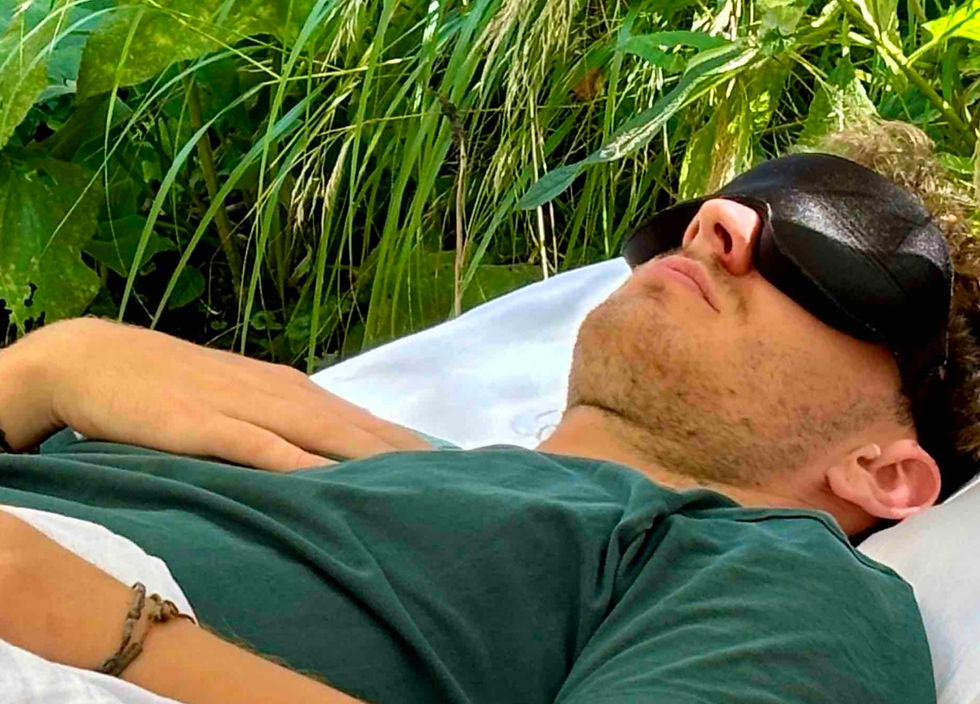
Every participant at Elevated Mind Retreats completes a detailed intake process before attending. This helps us understand personal goals, medical history, current circumstances, and whether the retreat is the right fit. Preparation continues with practical guidance and opportunities to ask questions before arrival.
What Does Setting Mean?
Setting refers to the external environment in which the experience takes place.
This includes:
• physical surroundings
• emotional safety• facilitator presence
• group dynamics
• atmosphere
• structure and pacing
• comfortable accommodation
• connection with nature
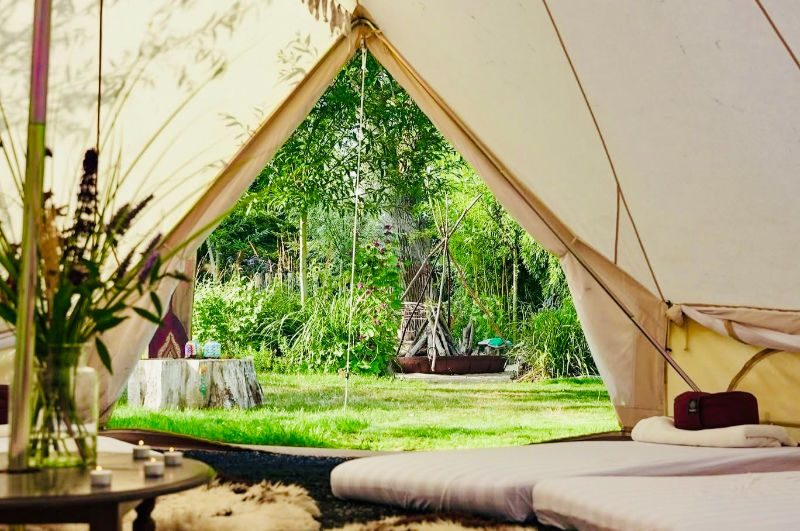
A calm, well-held environment can help participants feel safer, more relaxed, and more able to surrender into the experience.
A chaotic or unsupported environment can create the opposite effect.
Why Set and Setting Matter So Much
Psilocybin experiences can bring emotions, memories, sensations, and perspectives into awareness in powerful ways.
How these moments are experienced often depends heavily on both internal readiness and external support.
Set influences how you interpret what arises.
Setting influences whether you feel safe enough to stay present with it.
When both are intentionally supported, the experience is often far more meaningful and manageable.
Preparation Before a Guided Psilocybin Retreat
A well-structured retreat does not begin at the ceremony.
Preparation often includes:
• personal reflection
• intention-setting
• practical preparation guidance
• understanding contraindications
• emotional readiness assessment
• learning what to expect
If you'd like to understand more about how psilocybin affects the brain and emotional processing, you can explore our science page here: → Explore the Science of Psilocybin
Creating a Supportive Retreat Setting
A high-quality guided retreat environment includes far more than the physical venue.
Important elements include:
Comfortable, Peaceful Surroundings
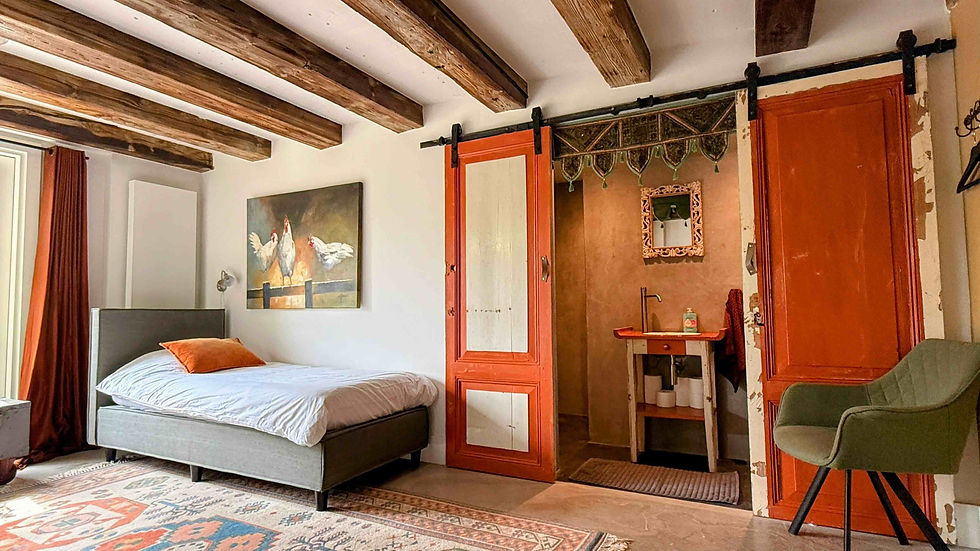
Our retreats take place in a quiet retreat centre in Almkerk, surrounded by nature. Comfortable bedrooms, peaceful outdoor spaces, and thoughtfully designed ceremony rooms help participants step away from everyday distractions and settle into the experience.
Emotional Safety
Participants should feel seen, supported, and professionally held throughout the process.
A supportive environment also plays an important role in psilocybin retreat safety.
Experienced Facilitation
Guidance matters, particularly if emotional intensity arises. We always have a minimum of two facilitators for groups of around eight participants.
Experienced facilitators also help participants navigate challenging moments should they arise. Learn more about psilocybin bad trips and how guided support can make a difference.
Calm Physical Environment
Quiet, comfortable surroundings support nervous system regulation and inward focus.
Integration Support
The retreat experience does not end with the ceremony itself.
Integration begins the morning after the ceremony and continues beyond the retreat through practical guidance and a follow-up integration call.
Small Groups
Average group size is around eight participants, allowing facilitators to offer personal attention while maintaining the supportive energy of a shared journey.
The Role of Group Energy
In group retreats, the social environment becomes part of the setting too.
Trust, openness, and shared vulnerability can create a powerful sense of connection.
A well-held group can support feelings of safety, belonging, and emotional depth.
This is why careful facilitation and group preparation matter.
Breathwork before the ceremony also helps create greater presence and trust within the group.
Carefully selecting participants through our intake process also helps create a group where people feel safe to be open and vulnerable.

Set and Setting Work Together
Neither set nor setting exists in isolation.
A calm environment cannot completely compensate for poor preparation, and a positive mindset may still struggle in an unsafe or chaotic setting.
When both are intentionally supported, participants often feel more able to relax into the experience, navigate challenging moments, and integrate what they learn afterwards.
Can Set and Setting Reduce the Risk of a Difficult Experience?
While no experience can ever be completely predicted, thoughtful preparation, careful screening, experienced facilitation, and a calm environment can significantly influence how supported someone feels if challenging moments arise.
This is one reason reputable retreats invest heavily in preparation and participant care rather than focusing only on the ceremony itself.
Choosing the Right Psilocybin Retreat
Consider asking:
How thorough is the intake process?
What preparation is provided before arrival?
How many participants attend each retreat?
What support is available during the ceremony?
Is post-retreat integration included?
Where does the retreat take place?
These factors often shape the experience just as much as the psilocybin itself.

Experience Set and Setting in Practice
At Elevated Mind Retreats, preparation, environment, and support are considered just as important as the psilocybin experience itself. From your first intake through to post-retreat integration, every part of the journey is designed to help you feel safe, supported, and able to focus on meaningful personal exploration.
Our retreats take place in a peaceful retreat centre in Almkerk, with small groups averaging around eight participants, experienced facilitators, comfortable accommodation, and structured preparation before you arrive.
You may also find these guides helpful before booking:
About the author
Niels van der Valk is the founder of Elevated Mind Retreats. After recovering from burnout through his own guided psilocybin retreat, he dedicated his work to helping others create meaningful and lasting change through professionally guided retreats, breathwork, and integration support.
📖 Read his personal story: The Retreat


