Psilocybin Bad Trip: What Happens and How Guided Support Helps
Updated: Aug 5
One of the most common concerns people have before exploring psilocybin is the fear of a psilocybin bad trip.
Stories online often focus on overwhelming experiences, panic, or emotional distress—creating understandable hesitation.
But what actually happens during a difficult psilocybin experience, and what makes the difference between feeling overwhelmed and feeling safely supported?
The answer often comes down to preparation, environment, and guidance.

What Is a Psilocybin Bad Trip?
A psilocybin bad trip usually refers to a challenging or emotionally intense psychedelic experience.
This may include:
Anxiety or panic
Fear of losing control
Difficult emotions surfacing
Confusion or disorientation
Intense self-reflection
Temporary fear or resistance
Importantly, not every challenging moment is harmful.
In many cases, discomfort is part of the process—especially when emotions or thought patterns that are normally avoided come into awareness.
Why Psilocybin Experiences Become Difficult
Several factors increase the likelihood of a difficult experience.
Set (Mindset)
Your emotional state, expectations, and internal readiness matter.
Entering the experience while highly stressed, emotionally unstable, or resistant can make the journey harder.
Setting (Environment)
The environment has a major impact.
Unfamiliar surroundings, distractions, unsafe company, or a lack of trust can create anxiety.
Lack of Support
One of the biggest risk factors is navigating the experience alone without experienced guidance.
If difficult emotions arise, reassurance and grounded support make a significant difference.
If you’re new to this, it may help to first understand how to prepare for a psilocybin retreat.

What a Challenging Experience Can Feel Like
A difficult psilocybin experience can feel emotionally intense.
People may experience:
Racing thoughts
Emotional release
A sense of losing familiar control
Temporary fear or vulnerability
These experiences can feel overwhelming in the moment—but in a safe setting, they are often manageable and temporary.
The key question is not whether intensity can arise.
It is whether the environment is equipped to support it.
How Guided Support Changes the Experience
In a professionally guided setting, difficult moments are approached very differently.
Support may include:
Calm facilitator presence
Emotional reassurance
A structured environment
Clear preparation beforehand
Integration support afterwards
This often transforms what could feel frightening into something meaningful and workable.
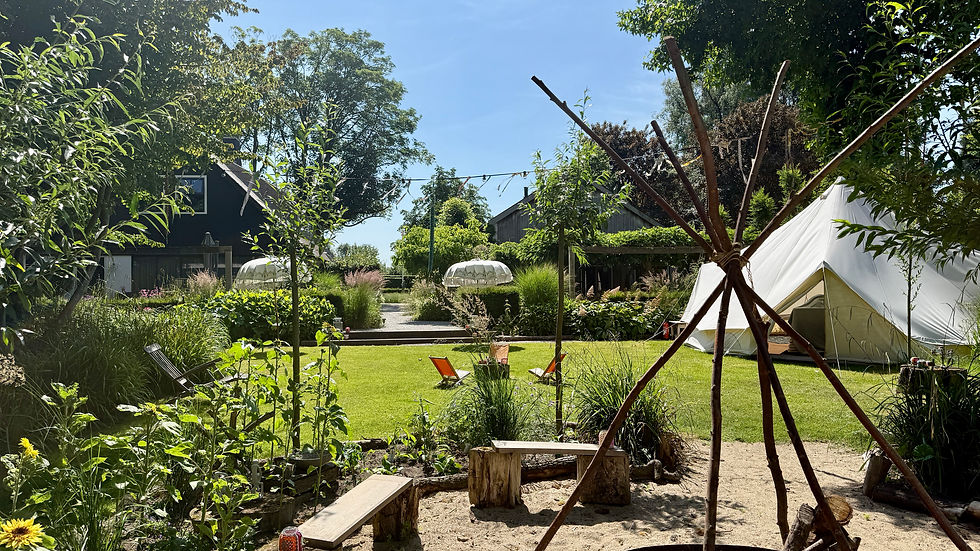
This is one reason many people choose a guided psilocybin retreat in the Netherlands rather than exploring psilocybin alone.
Is a Bad Trip Always Harmful?
Not necessarily.
Some of the most meaningful experiences involve moments of discomfort, emotional release, or confronting difficult patterns.
The difference lies in context.
A chaotic, unsupported environment can amplify fear.
A grounded, safe environment can help difficult moments become part of healing and insight.
Reducing the Risk of a Psilocybin Bad Trip
Risk can never be reduced to zero—but it can be significantly lowered.
Important factors include:
Thorough screening and intake
Preparation before the experience
Safe environment
Experienced facilitators
Clear structure
Integration support
If safety is one of your main concerns, you may want to read more about psilocybin retreat safety.
Conclusion
A psilocybin bad trip is often less about the substance itself and more about mindset, setting, and support.
Challenging moments can happen.
What matters is the environment and support around the experience.
In the right environment, difficult experiences can become manageable, meaningful, and deeply transformative.
If you’re exploring this path, a guided retreat offers the structure and support that make a significant difference.
About the author
Niels van der Valk is the founder of Elevated Mind Retreats. After recovering from burnout through his own guided psilocybin retreat, he dedicated his work to helping others create meaningful and lasting change through professionally guided retreats, breathwork, and integration support.
📖 Read his personal story: The Retreat